Electric Vehicles Save You Money and Save the Planet
When federal tax credits for electric vehicles (EVs) expired at the end of September 2025, some predicted a collapse of the EV market. Although sales declined in the fall of last year, industry experts at Cox Automotive predict that 2026 EV sales will be near 8 percent of new cars sold, about the same as in 2025.
Why will EV sales continue? New low-cost EV models, better charging options, and longer driving range are all factors that will support continued purchases of EVs. But another critical factor is that it is cheaper to own an electric vehicle than a fossil fuel vehicle, even without the now expired federal tax credit for purchase of an EV.
How Do EVs Save You Money? Your EV savings come in several forms:
In Virginia, the New York Times estimates that it costs $4.63 to drive an EV 100 miles when charging at home but $12.12 to drive a fossil fuel car the same distance (with gas at $3/gal). If you drive 10,000 miles per year in an EV, you save $749 per year. The non-profit Voloz offers additional comparisons here.
The service and repair costs of EVs are lower than for fossil fuel vehicles. Without spark plugs to replace or oil to change, electric vehicles have a clear leg up on maintenance costs. On a per-mile basis, EV maintenance and repair costs run about 40 percent lower than comparable gas vehicles. Service costs of a fossil fuel vehicle average about $9,000 during its first 90,000-miles.
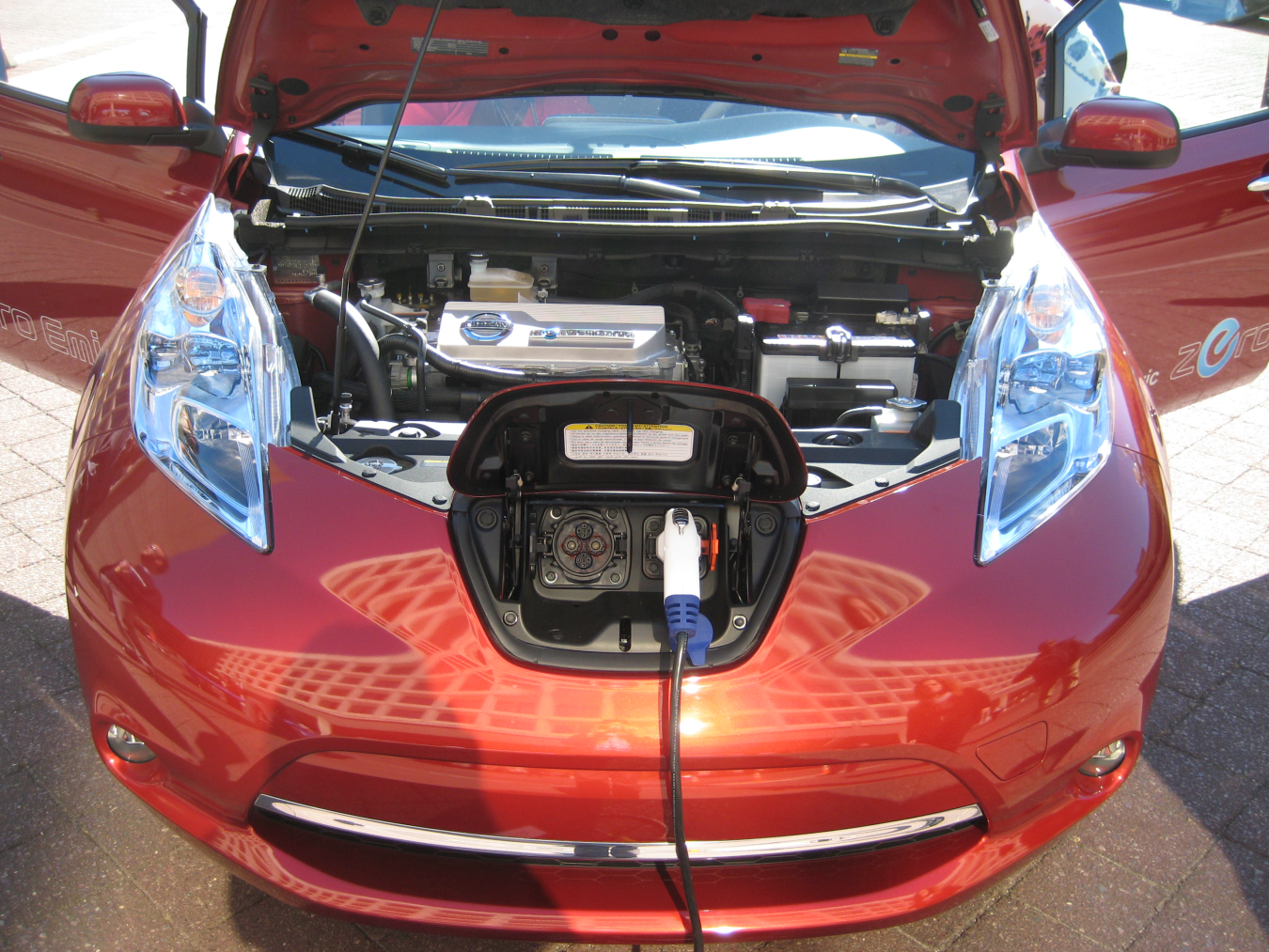
No Engine Oil, Ignition System, or Transmission to Service
Will it cost you more to buy an EV? Not necessarily. Cox Automotive reports that today the average cost of an EV is about $7,000 more than a comparable fossil fuel car, but that difference is often less, depending on makes and models. Plus, there are ways to reduce the up-front purchase price. For example, a used EV may be available at a cost savings. And discounts are available from time to time.
Interested in learning more about what your savings will look like? This EV Savings Calculator lets you focus on prices in your zip code.
What are the other benefits of owning an EV? In addition to cost savings, your EV will make a big contribution to fighting climate change and reducing the release of greenhouse gases.
The Union of Concerned Scientists reported in 2025 that over its lifetime—from manufacturing to operation to disposal—the average new EV produces roughly half the global warming pollution of a comparable gasoline or diesel vehicle, and driving the average EV produces global warming emissions equal to a gasoline vehicle that gets 100 miles per gallon. A study from the Massachusetts Institute of Technology found that “EVs will create fewer carbon emissions than gasoline-burning cars under nearly any conditions.”
Does your EV purchase help Falls Church meet its energy and climate goals? Absolutely. Emissions from passenger vehicles make up over half of Falls Church’s transportation emissions. A key strategy in the Falls Church Community Energy Action Plan is that by 2030, 50% of all new passenger vehicles would be EVs and that by 2035, 100% of these purchases would be EVs. The results would be:
In 2030, 4,400 metric tons of CO2 reduced (6% of the City’s 2030 reduction targets; vehicles in service will still be mostly gas or diesel); and
In 2050, a 70% reduction versus business-as-usual on-road emissions.
The total number of EVs registered in Falls Church is growing slowly, but the pace has accelerated, from 202 EVs in 2023 to 297 in 2024 and 488 at the end of 2025. That total is just 3.9 percent of all registered vehicles but about 6% if you count plug-in hybrid vehicles, which can go 20 – 40 miles on battery before switching over to gasoline. In 2025, 13.8 percent of new purchases/registrations were EVs, which is good progress but still short of the City’s “50%-by-2030” goal.
Are EVs better for public health: Exhaust from fossil fuel vehicles contains harmful particulate matter that pollutes the air, especially near streets and highways. But, EVs have no tailpipe emissions, so switching out gasoline and diesel vehicles for EVs reduces local air pollution.
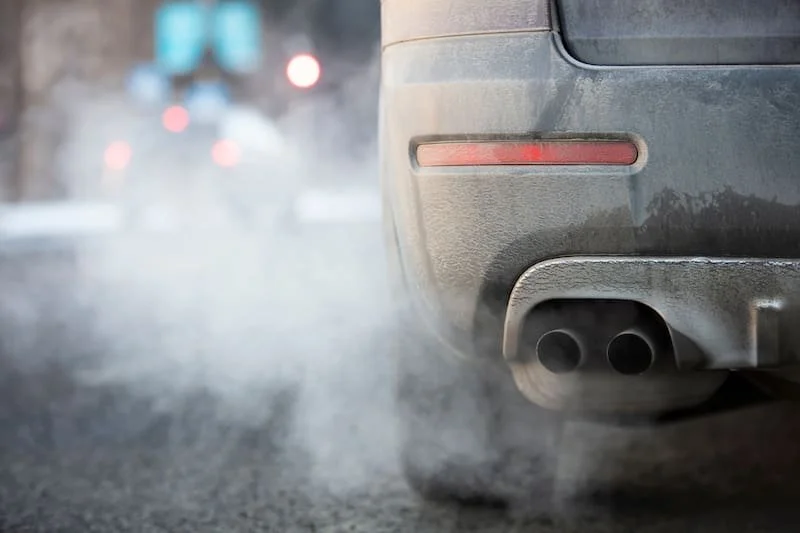
Unfortunately, Falls Church has an air quality problem. The City is one of only five cities in Virginia that is not attaining standards for both ozone and small particulate matter. The American Lung Association (ALA) has reported that by 2050, as the United States moves to 100 percent EV sales, the cumulative national public health benefits due to cleaner air could include:
$978 billion in public health benefits;
89,300 fewer premature deaths;
2.2 million fewer asthma attacks; and
10.7 million fewer lost workdays.
In Virginia alone, ALA estimated the health benefits at about $25 billion and 2,320 premature deaths avoided.
In conclusion: Meeting energy and climate goals for Falls Church will require more than just switching to EVs. For example, when replacing appliances, residents must switch to heat pumps for space and water heating. And Dominion Energy must keep increasing the share of power it gets from carbon-free sources.
But, as you consider your next vehicle, buying an EV will be a big step toward managing climate change and improving air quality. And, it will save you money. Lots more information on EVs is available here. And if you’re more of a visual learner, here’s Seth Meyers’ overview of some of the topics covered above.
Look for future blog posts on home and public EV charging options.